Gloucester Cathedral
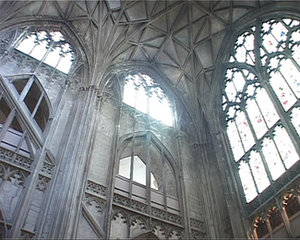
Gloucester
Cathedral has been a place for over 1,300 years for Christian worship. An
Anglo-Saxon prince, Osric, founded a religious house in 678-9 AD. First church
on the site dates back from 79, and was founded as a Saxon Ave. In 1058, the
church was rebuilt and enlarged. The tower of the Cathedral dates back to 1450.
Not much is known about the communities, which worshipped in this area. The
buildings they used over the next 400 years although it is assumed that the
Benedictine Rule was introduced here early in the 11th century.
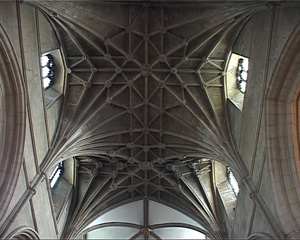
Inside the church is a long well structured
hallway. This hallway is known as the Norman Abbey. In the Abbey is where monks
would wash, study, and do daily chores.
The Abbey leads to the Western side of the cathedral. This
has an entrance to the cloister garden. Norman style is inspired by
Romanesque architecture.
This developed in Normandy and
England between the 11th and 12th centuries. This was all occurring during the
general adoption of Gothic architecture in
both countries. Norman architecture in Normandy was considered with
structural expression and elaboration of spire and tower. The newest update the
church has received is from 2018 that is the entrance doors were installed.
The Abbey has tall mason
ceilings. The structure of the church was built over Roman foundations.
Initially, the abbey was made of wood. By the 9th century stone replaced the
wooden structure, and in 1058 the Bishop of Worcester rebuilt the abbey church
on a much greater scale.
Later,
in 1540, Henry VIII ordered the monasteries to be suspended. The abbey
buildings became Gloucester Cathedral. This then became the seat of the Bishop
of Gloucester in 1541. Community of
monks no longer worshipped here, it was to be led by a Dean and a chapter of
canons.
After
the civil wars and Commonwealth period in 1660, the monarchy received some restoration.
The Dean and Chapter continued the
running of the Cathedral and that is how it is managed today. In the 18th,
19th and 20th centuries they have carried out repairs and maintenance work instead
of rebuilding or remodeling the building. Also, Gloucester Cathedral has sustained
through the centuries as a place of Christian witness. This is a holy place
where God is worshipped and the gospel of Jesus Christ is announced every
day.


Comments
Post a Comment